
Safe Travels with Dementia
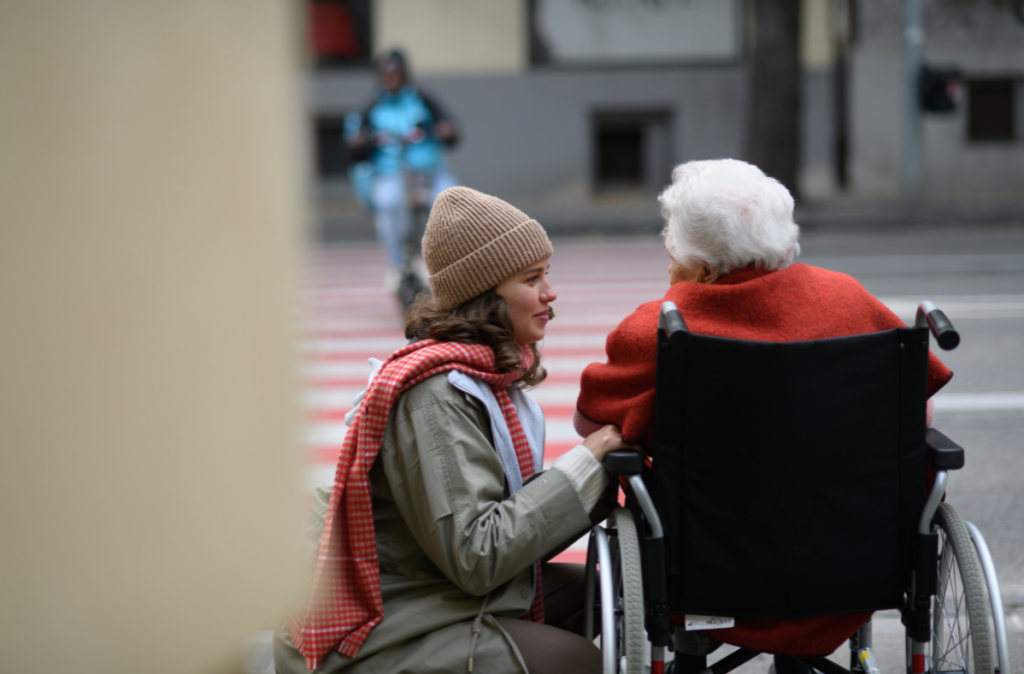
Traveling with a loved one who has Alzheimer’s or dementia can open the door to beautiful, shared moments and meaningful connection. But the journey also comes with unique challenges. A little extra planning can make all the difference, helping you create a sense of calm, reduce confusion, and keep your loved one safe as you move through unfamiliar places together.
Step 1: Prepare for Transitions
- Changes in environment can be disorienting. Before leaving, talk through the trip in simple, reassuring terms. Even if your loved one may not retain the details, a calm introduction can ease anxiety.
- Use short, clear explanations about what to expect.
- Pack familiar items like a favorite sweater, blanket, or photos.
- Keep a small “comfort bag” easily accessible during travel.
- Stick as closely as possible to normal routines (meals, sleep times).
- Book nonstop flights if possible and travel during your loved one’s most alert, calm time of day.
Step 2: Navigate Airports and Transit Safely
Airports, train stations, and rest stops are busy, fast-moving environments where it’s easy to become separated. Simple precautions can prevent stressful situations before they start.
- Arrive early to avoid rushing and overstimulation.
- Request assistance services, even if mobility isn’t an issue.
- Noise canceling headphones and familiar music may help reduce stress.
- Keep your loved one within arm’s reach in crowded areas.
- Dress them in distinctive, easy-to-spot clothing. Take photos of your loved one each day in their current outfit, just in case.
Step 3: Prevent Wandering
Wandering is one of the most significant safety concerns when traveling. These steps provide peace of mind and a quick response if separation occurs.
- Give your loved one an identity bracelet to wear.
- Place a small tracking device (such as an AirTag) in a shoe, pocket, or bag.
- Avoid leaving your loved one alone in unfamiliar places.
- Establish a simple “stay close” routine when walking together.
- Offer a fidget toy or other distraction to help pass time while waiting in line.
Step 4: Create a Safe Hotel Environment
A hotel room can feel confusing or unfamiliar, especially at night. Consistency and orientation go a long way in preventing nighttime wandering or distress.
- Notify hotel staff that you are traveling with someone with dementia.
- Choose a room in a quieter area to reduce overstimulation.
- Bring comforting items from home for the hotel stay.
- Keep the path to the bathroom clear and lit at night.
- Use a door alarm or portable lock to alert you if they try to leave. A childproof doorknob cover also may help.
Step 5: Keep Days Calm and Flexible

Overstimulation and fatigue can lead to agitation or confusion. The goal is not to do everything, but to enjoy what you can—at a comfortable pace.
- Plan one or two simple activities per day—avoid overpacking the schedule.
- Build in quiet breaks to rest and reset.
- Offer reassurance rather than correction if confusion arises.
- Use a calm tone and gentle redirection when needed.
Step 6: Be Ready for the Unexpected
Even with careful planning, situations can change quickly. Flexibility is one of your greatest tools as a caregiver.
- Know where the nearest medical facility is located.
- Keep medications and emergency contacts easily accessible.
- Have a backup plan if your loved one becomes overwhelmed.
- Trust your instincts—if something feels like too much, it’s okay to adjust.
The Takeaway
Traveling with a loved one who has Alzheimer’s or dementia is less about the destination and more about creating a safe, supportive experience along the way. By focusing on routine, minimizing stress, and planning for safety—especially around wandering and unfamiliar environments—you can help your loved one feel secure while still sharing meaningful moments together.

